The Complete Guide to Protecting Your Home from Flooding (2026 UK)

_format(webp)_1tUTaa.webp)
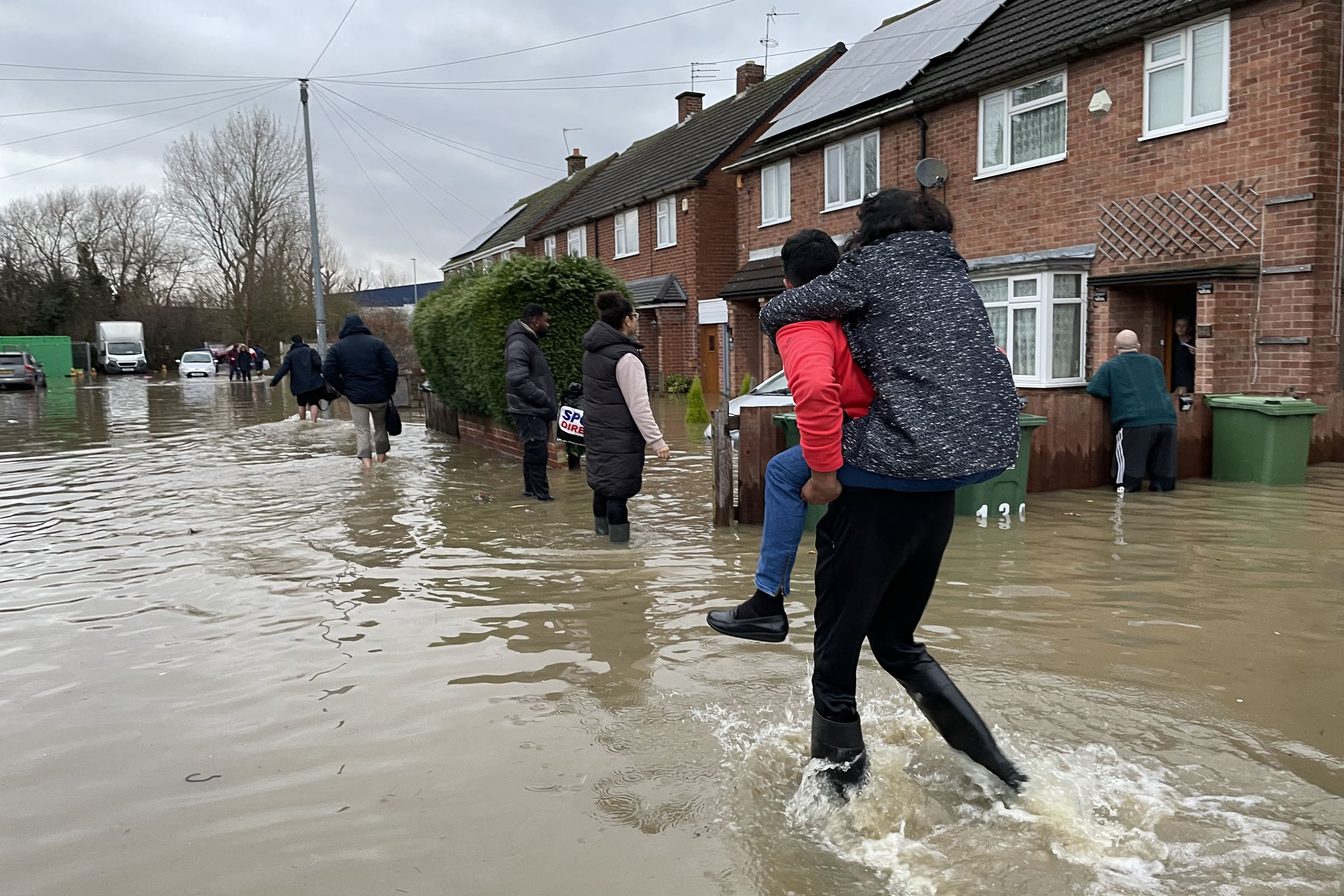
5.2 Million Properties at Risk. Is Yours One of Them?
Flooding is the most common and costly natural disaster facing UK homeowners. According to the Environment Agency, 5.2 million properties in England alone are at risk of flooding from rivers, the sea, or surface water. That number is growing every year as climate change drives more frequent and more intense rainfall events.
The financial reality is sobering. Data from the Association of British Insurers (ABI) shows that the average cost of flood damage to a UK home exceeds £30,000. That figure covers structural repairs, replacement of floors, walls, kitchens, and electrical systems, temporary accommodation, and the immense personal disruption that follows a flood event. For many homeowners, a single flood can be financially devastating.
The UK government recognises the scale of the problem. In the 2024 Autumn Budget, it confirmed £10.5 billion of investment in flood defences between 2024 and 2036, with £830 million allocated specifically for flood schemes in 2026/27. A significant proportion of this funding is directed towards Property Flood Resilience (PFR) measures, meaning individual homeowners can access grants to protect their own properties.
Here in the East Midlands, flood risk is a daily reality for thousands of residents. Lincolnshire, Nottinghamshire, and Leicestershire all contain significant flood risk areas, shaped by major river systems including the Trent, Witham, and Welland. Storm Babet in October 2023 and Storm Henk in January 2024 served as stark reminders, causing widespread damage across the region and leaving many homeowners searching for ways to protect their properties from future events.
The good news is that effective, affordable flood protection exists. Modern property-level flood resilience products can prevent water from entering your home entirely, and in many cases, government grants will cover most or all of the cost.
How to Check Your Flood Risk
Before investing in flood protection, it is important to understand your actual level of risk. There are several ways to do this.
Environment Agency Flood Maps
The Environment Agency maintains detailed flood maps covering the whole of England. You can check your property's flood risk by visiting Check your long-term flood risk on GOV.UK. This tool shows whether your property falls within Flood Zone 1 (low risk), Flood Zone 2 (medium risk), or Flood Zone 3 (high risk). It also shows surface water flood risk, which is increasingly relevant as urban drainage systems struggle to cope with heavy rainfall.
Flooding History by Postcode
Your local authority holds records of historical flooding events. You can also request a property-level flood history report, which may reveal past incidents that previous owners did not disclose. This information is valuable both for understanding your risk and for supporting grant applications.
GDCG's Free Flood Risk Assessment Tool
We have built a free online flood risk assessment tool that uses official Environment Agency data to give you an instant picture of your property's flood risk. Simply enter your postcode to see flood zone classifications, historical flood events in your area, and recommended protection measures.
Check your flood risk now at /flood-risk-assessment/
If your property shows any level of flood risk, we offer a free on-site survey where one of our flood protection specialists will assess every potential water entry point on your property and recommend the most effective combination of products to keep you protected.
How Flood Water Enters Your Home
Understanding how water gets into a property is the first step towards keeping it out. Most homeowners assume that flood water enters through doors, and while doors are certainly a significant entry point, they are not usually the first or the largest source of water ingress.
Air Bricks: The Biggest Vulnerability
Air bricks are by far the most common point of entry for flood water. Research shows that air bricks are responsible for over 90% of the initial volume of flood water entering homes during low-level flood events. Standard air bricks are designed to allow ventilation beneath suspended floors, but they sit at or below ground level, meaning they are the first opening that rising water reaches. A single standard air brick can allow hundreds of litres of water into your property in minutes.
Most UK homes built before 2000 have multiple standard air bricks around their external walls. Each one is an open invitation for flood water.
Doors and Thresholds
External doors, including front doors, back doors, and patio doors, are the next major entry point. Standard door thresholds have minimal weather sealing and offer almost no resistance to standing water. Even a few centimetres of water outside your door can find its way through gaps in the frame, under the threshold, or through the letterbox.
Weep Vents
Weep vents are small openings at the base of cavity walls, designed to allow moisture to drain from the wall cavity. Like air bricks, they sit at low level and provide a direct pathway for flood water to enter the structure of your home. They are easily overlooked during flood preparation because of their small size, but collectively they can admit a surprising volume of water.
Other Low-Level Openings
Cable entry points, pipe penetrations, gaps around meter boxes, and cracks in external render or brickwork can all allow water ingress. A thorough flood survey will identify all of these vulnerabilities.
Anti-Flood Air Bricks: Your First Line of Defence

Given that air bricks account for the vast majority of water entering homes during a flood, replacing standard air bricks with anti-flood versions is the single most impactful thing most homeowners can do.
How Anti-Flood Air Bricks Work
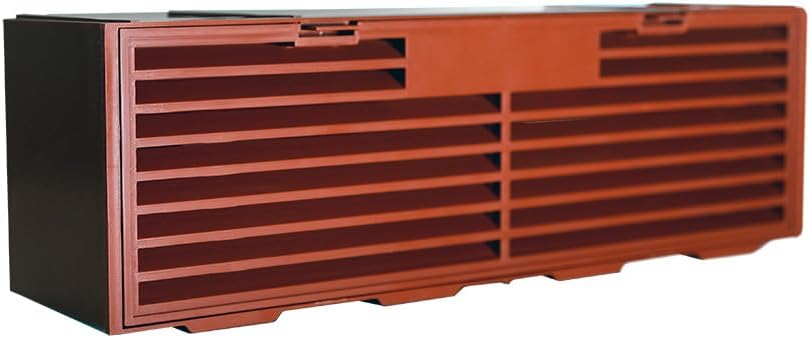
Modern anti-flood air bricks use a float valve mechanism that operates entirely automatically, with no power supply and no human intervention required. During normal conditions, the air brick allows full ventilation exactly like a standard air brick, maintaining the airflow your property needs to prevent damp and condensation beneath suspended floors.
When flood water rises and reaches the air brick, a float inside the unit rises with the water level. This float activates a seal that closes off the air brick completely, preventing any water from passing through. When the water recedes, the float drops back down and normal ventilation resumes automatically.
Key Benefits
Anti-flood air bricks are a direct replacement for standard air bricks and fit into the same opening, making installation straightforward with no structural modifications needed. They require no electricity, no batteries, and no manual activation. They are always ready, even if you are away from home when flooding occurs. After a flood event, they reset themselves automatically.
The products we install are tested to withstand significant water pressure and are designed for long-term durability with minimal maintenance. A quick visual inspection once or twice a year is all that is needed to ensure they remain in good working order.
Flood Barriers for Doors
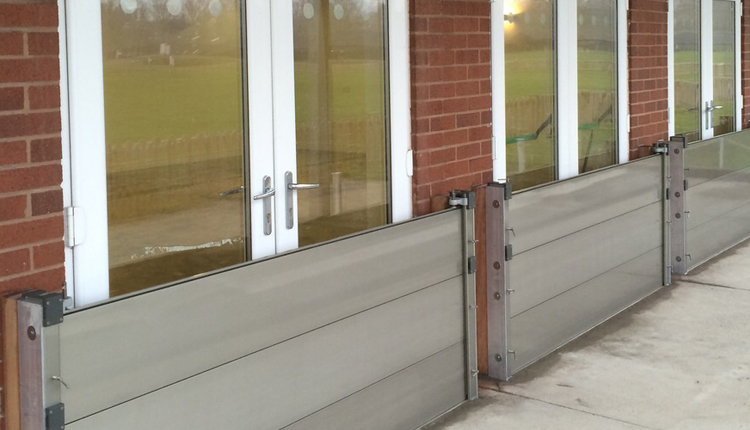
Once your air bricks are protected, the next priority is your doors. Flood barriers create a watertight seal across door openings, preventing water from entering through what would otherwise be a large, vulnerable gap.
Demountable vs Permanent Barriers
There are two main types of flood barrier for domestic properties.
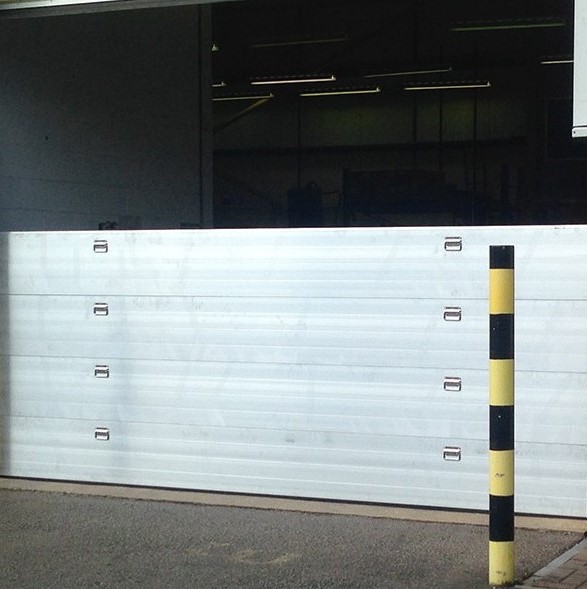
Demountable barriers are stored away and deployed when flooding is expected. They slot into permanently fixed channels on either side of the door frame and can typically be installed in under two minutes by one person. When not in use, they store flat and take up very little space. These are ideal for properties where the barrier would obstruct everyday use of the door, or where aesthetics are a concern.
Permanent barriers remain in place at all times. These are more common for commercial properties or for doors that are not used regularly, such as side entrances.
Testing Standards
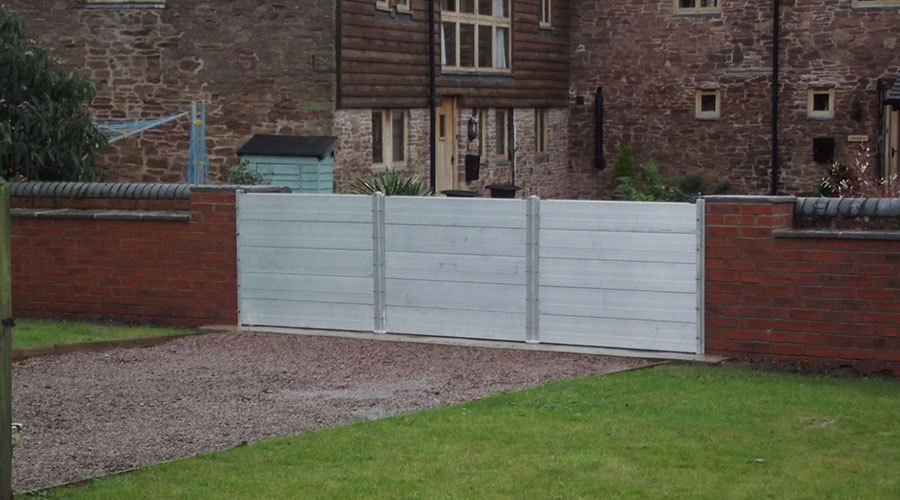
When choosing flood barriers, it is essential to select products that have been independently tested to recognised standards. The key standard in the UK is PAS 1188, published by the British Standards Institution (BSI). This standard covers the testing of flood protection products for performance, durability, and reliability. Products tested to PAS 1188 have been subjected to rigorous water pressure testing and are verified to perform as claimed.
All flood barriers we supply and install at GDCG are tested to PAS 1188 standards, giving you confidence that they will perform when it matters most.
Deployment Time
One of the most common concerns about demountable barriers is whether there will be enough time to deploy them. Modern demountable barriers are designed for rapid deployment, typically taking between one and three minutes per barrier. With flood warning systems now providing hours or even days of advance notice for most river flooding events, there is usually ample time to prepare. For surface water flooding, which can occur with less warning, anti-flood air bricks and weep vent protection provide automatic, always-ready protection for the most vulnerable entry points.
Weep Vent Protection
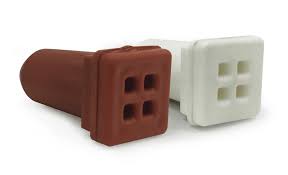
Weep vents are a frequently overlooked vulnerability. These small openings at the base of your cavity walls are essential for building health, allowing moisture to drain and air to circulate within the wall cavity. However, during a flood event, they work in reverse, allowing water to flow into the wall cavity and from there into your home.
One-Way Weep Vents
The solution is to replace standard weep vents with one-way versions. Products like the M3 Floodtec range allow moisture to drain outward from the cavity as normal, but contain a valve that prevents water from flowing inward. Like anti-flood air bricks, they are fully automatic and require no power or manual operation.
Installation is quick and non-disruptive. The existing weep vents are removed and the one-way replacements are fitted directly into the same openings. A typical property can have all weep vents replaced in a single visit.
While each individual weep vent is small, a typical property may have dozens of them. Left unprotected, they can collectively allow significant volumes of water into your walls and home. Protecting them is an inexpensive but important part of a comprehensive flood resilience plan.
Creating a Whole-Property Flood Protection Plan
Effective flood protection is not about installing a single product. It is about identifying every vulnerability on your property and addressing them together as a system. A flood barrier on your front door will not help if water is pouring in through twelve unprotected air bricks around the rest of the building.
The Survey Process
At GDCG, our flood protection process begins with a free, no-obligation property survey. One of our flood resilience specialists will visit your property and carry out a detailed assessment that includes:
- Counting and mapping every air brick, weep vent, and low-level opening on the property
- Measuring all external door openings for barrier sizing
- Assessing the ground levels and drainage around the property
- Reviewing historical flood data for your specific location
- Identifying any additional vulnerabilities such as cable entry points or gaps in brickwork
- Recommending a tailored package of products to provide comprehensive protection
Following the survey, you will receive a detailed written report and quotation, along with information about any government grants you may be eligible for.
What GDCG Covers
We provide a complete end-to-end service covering supply, installation, and aftercare for all property flood resilience measures. Our coverage area extends across the East Midlands, including Lincolnshire, Nottinghamshire, Leicestershire, Rutland, and parts of South Yorkshire and Cambridgeshire. We are based in Grantham, Lincolnshire, and our team has extensive experience with the specific flood risks facing properties in this region.
We are accredited installers of leading flood protection brands including Buffalo, Nautilus, and Floodtec, and all our installations are carried out to the standards required for grant-funded work.
Government Grants and Funding (2026)
One of the most important things to understand about flood protection is that you may not need to pay for it yourself. Several government-backed grant schemes are currently available to help homeowners fund property-level flood resilience measures.
Property Flood Resilience (PFR) Grants
Local authorities in flood-affected areas can provide PFR grants of up to £5,000 per property. These grants are funded by central government through Defra and are administered by your local council's flood risk management team. To be eligible, your property typically needs to be in an identified flood risk area or have experienced flooding previously.
The grant can cover the cost of anti-flood air bricks, flood barriers, weep vent protection, and other approved resilience measures. Professional installation by an accredited contractor is required.
Homeowner Flood Protection Grant
The Homeowner Flood Protection Grant is a separate scheme that covers 90% of the cost of flood resilience measures, up to a maximum of £10,000. This is a more generous scheme than the standard PFR grant and can cover more extensive protection packages. Eligibility criteria vary, but properties that have flooded in the past or are in high-risk areas are typically prioritised.
Local Authority Schemes
Several councils in the East Midlands operate their own flood protection schemes in addition to the national programmes. Leicestershire County Council, for example, runs a flood resilience scheme that provides funding for eligible properties. Lincolnshire County Council and Nottinghamshire County Council have similar programmes, often triggered following significant flood events in their areas.
How GDCG Helps with Grant Applications
Navigating the grant application process can be confusing. At GDCG, we handle the paperwork for you. As part of our free survey service, we will identify which grants your property is likely to be eligible for, prepare the necessary documentation, provide the detailed quotations required for the application, and liaise with your local authority on your behalf.
Many of our customers have had the entire cost of their flood protection covered by grants, paying nothing out of pocket. Even where grants cover only part of the cost, the investment is modest compared to the £30,000+ average cost of flood damage.
To discuss your eligibility or book a free survey, call us on 01476 833131.
How Much Does Flood Protection Cost?
The cost of flood protection varies depending on the size of your property and the number of products required. Here is a general guide to individual product costs and typical whole-property packages.
Individual Product Costs
- Anti-flood air bricks: From around £50 to £120 per unit (supply and installation). Most properties need between 6 and 16 units.
- Demountable flood barriers: From around £350 to £900 per door opening, depending on the width and height required.
- One-way weep vents: From around £5 to £15 per vent. A typical property may have 20 to 40 weep vents.
- Permanent flood barriers: From around £500 to £1,500 per opening, depending on specification.
Whole-Property Packages
A typical whole-property flood protection package for a standard three-bedroom semi-detached home, including anti-flood air bricks, two door barriers, and weep vent protection, generally falls in the range of £2,500 to £6,000. Larger or more complex properties may require a more extensive package.
Grant Offsets
With PFR grants covering up to £5,000 and the Homeowner Flood Protection Grant covering 90% of costs up to £10,000, many homeowners find that their out-of-pocket cost is minimal or zero. When you consider that a single flood event costs an average of £30,000 or more, the return on investment is clear even without grant funding.
Frequently Asked Questions
Do anti-flood air bricks actually work?
Yes. Anti-flood air bricks with float valve mechanisms are one of the most effective property-level flood resilience measures available. They activate automatically when water rises to their level, creating a watertight seal that prevents water from entering through what is otherwise the single largest point of water ingress during low-level flooding. The products we install are independently tested and have been proven effective in real flood events across thousands of UK properties. They require no power, no batteries, and no manual activation, so they protect your home even if you are not there when flooding occurs.
How much do flood barriers cost in the UK?
Flood barriers for domestic door openings typically cost between £350 and £900 per opening for demountable barriers, and between £500 and £1,500 for permanent barriers. The exact cost depends on the width and height of the opening, the product chosen, and whether installation is included. At GDCG, all our quotes include supply and professional installation. Government grants can cover part or all of this cost for eligible properties.
Can I get a flood defence grant?
In many cases, yes. The UK government funds several grant schemes for property-level flood protection. PFR grants of up to £5,000 are available through local authorities, and the Homeowner Flood Protection Grant covers 90% of costs up to £10,000. Eligibility typically requires that your property is in a recognised flood risk area or has flooded previously. GDCG offers a free survey and will help you identify which grants you may be eligible for and assist with the application process. Call us on 01476 833131 to find out more.
How do I know if my property has flooded before?
There are several ways to check. The Environment Agency's flood risk maps show areas that have been affected by historical flooding. Your local authority's flood risk management team holds records of flood events in your area. You can also request an environmental search as part of a property purchase, which should reveal known flood history. If you are already living in the property, neighbours and local residents are often a good source of information about past events. Our free flood risk assessment tool at /flood-risk-assessment/ uses official data to show flood history for your postcode.
Does flood protection affect my home insurance?
Flood protection measures can have a positive impact on your home insurance. Many insurers look favourably on properties that have invested in resilience measures, and some offer reduced premiums or excess levels for properties with certified flood protection installed. The Flood Re scheme, which ensures that properties in high-risk areas can access affordable insurance, also recognises property-level resilience measures. Having professionally installed, certified flood protection demonstrates to insurers that you have taken responsible steps to reduce your risk, which can make your property easier and cheaper to insure.
Take the First Step: Get Your Free Flood Survey
Flooding is unpredictable, but your response to it does not have to be. With the right combination of anti-flood air bricks, door barriers, and weep vent protection, you can give your property robust, reliable protection against flood water entry.
At GDCG, we have been helping homeowners across the East Midlands protect their properties for years. We offer free, no-obligation flood surveys, supply and install accredited flood protection products, and help you access government grants to cover the cost.
Whether you have been flooded before or simply want to prepare for the future, the best time to act is before the next flood event, not after it.
Call us on 01476 833131 or use our free flood risk assessment tool to check your property's risk today.
_format(webp)_Z95QhR.webp)
_format(webp)_Z2dJX5W.webp)
_ZeUXPv.webp)
_Z1T5mb8.webp)
_htQoI.webp)
_oIh4o.webp)
_format(webp)_Z1VTfcC.webp)
_format(webp)_ZkhIwe.webp)
_format(webp)_2hv4Nx.webp)